Meet the Ticas Turning Tourism Into Their Own Story
Here's something nobody puts on a brochure: a huge chunk of the magic you experience in Costa Rica — the perfectly brewed coffee handed to you at a small-batch roaster, the handwoven bag you'll carry for the next decade, the jungle hike that genuinely changed how you breathe — is powered by women who are rarely centered in the story.
That's starting to shift. And if you're the kind of traveler who wants your trip to mean something beyond a good Instagram grid, paying attention to who is building Costa Rica's tourism economy is one of the most important things you can do.
The Work That Doesn't Make the Highlight Reel
Women make up a significant portion of Costa Rica's hospitality and agricultural workforce — and yet, when tourism campaigns roll out, the faces doing the selling are rarely the same as the faces doing the work. It's a pattern that women across the country are increasingly unwilling to accept.
Take Maricel Vargas, a third-generation cacao farmer in the Caribbean lowlands near Puerto Viejo. For years, her family's harvest fed into a supply chain that ended, many steps later, in chocolate bars stamped with someone else's branding. A few years ago, she pivoted. She started leading small-group farm tours herself — walking travelers through the full cacao process, from pod to paste, and selling her own finished product directly.
"People come here thinking they know what Costa Rica looks like," she says, gesturing toward a row of cacao trees heavy with fruit. "I want them to leave knowing who actually lives here."
That distinction — between a curated fantasy of a place and the real, layered, sometimes complicated human experience of it — is exactly what a growing number of Tica entrepreneurs are insisting travelers reckon with.
Eco-Lodges Built Different
In the highlands outside of San José, Ana Lucia Jiménez runs a small eco-lodge she designed from the ground up — literally. She sourced local materials, hired from her immediate community, and built a composting system before she ever posted a single photo online. The lodge sleeps twelve. She turned down an offer to expand.
"Bigger isn't the goal," she explains. "Sustainable is the goal. I want to be doing this in thirty years, and I want the land to still be worth something when I'm done."
What Ana Lucia has built isn't just a place to sleep — it's a working model of what ethical tourism infrastructure can look like when a woman with deep roots in a place is the one calling the shots. Her guests eat food grown on-site or sourced from neighboring farms. They meet the people who made their meals. They leave with a sense of a place, not just a checklist of activities.
For US travelers accustomed to the all-inclusive resort model, staying somewhere like this can feel almost disorienting at first — in the best way. You're not a passenger. You're a participant.
Artisans Who Are Done Being a Photo Op
In Sarchí, the small town famous for its painted oxcarts and woodworking traditions, female artisans have long been part of the craft economy without always being visible in it. That's changing, too.
Crafts collectives led by women have begun offering direct-to-traveler workshops — not the sanitized, watch-and-buy kind, but actual hands-on sessions where you learn the geometry behind the iconic Sarchí wheel patterns, or try your hand at the natural dye techniques used in textile work across the Central Valley.
"We got tired of being decoration," says one collective member who asked to be identified only as Rosario. "Our work is not a backdrop for your photo. It has a history. We have a history."
That's a sentence worth sitting with. Because so much of the way tourism flattens local culture — especially in visually rich places like Costa Rica — is by turning living traditions into aesthetic content. Supporting women-led artisan collectives, buying directly from makers, taking a workshop instead of just a souvenir — these are small acts with real weight.
How to Actually Support Women-Led Tourism
This isn't about guilt-tripping yourself through your vacation. It's about making choices that align your travel dollars with the kind of world you want to move through. A few genuinely practical ways to do that in Costa Rica:
Book tours led by women guides. Ask your accommodation directly, or look for outfitters that specifically highlight female guides. The difference in perspective — on history, on safety, on what's actually worth seeing — is often significant.
Stay small and ask questions. Boutique lodges and guesthouses run by local women are often your best bet for an authentic experience and for keeping money in the community. Before you book, look at who owns the property, not just who manages it.
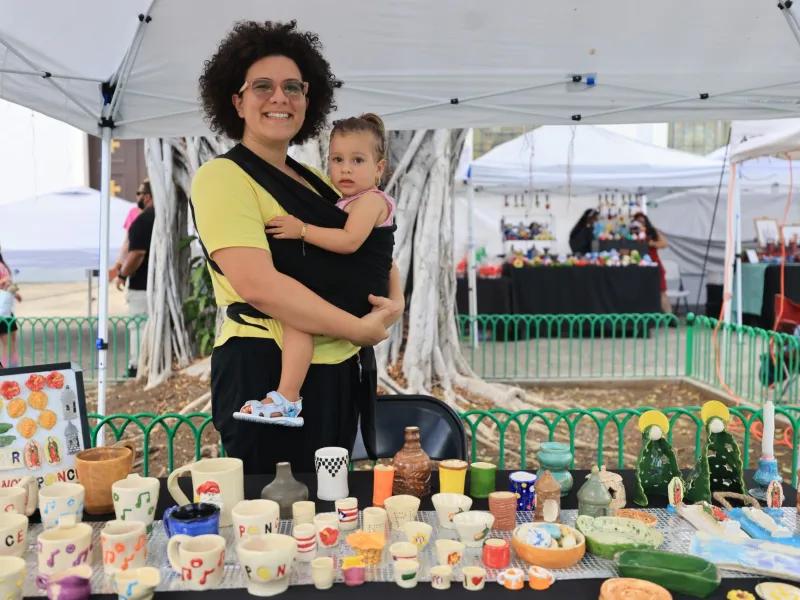
Buy from makers, not middlemen. Markets are great, but the best finds — and the most meaningful exchanges — happen when you buy directly from the person who made the thing. Ask where something comes from. Ask who made it. Be genuinely curious.
Take the workshop over the tour. Passive tourism — being shuttled from lookout point to lookout point — keeps you at arm's length from a place. Participatory experiences, especially those designed and led by local women, close that distance fast.
Leave a review that names names. If a woman-owned business or a female guide made your trip, say so publicly. Visibility matters. Reviews that specifically mention the human beings behind an experience help other travelers find them — and help those businesses grow.
The Bigger Picture
Costa Rica has long marketed itself on its natural beauty — the rainforests, the volcanoes, the beaches that look like someone turned up the saturation on reality. None of that is wrong. It's genuinely stunning. But the country's most compelling story right now might be a human one: women who are done waiting for someone else to tell their narrative, and who are building something real, sustainable, and entirely their own.
As a traveler, you get to choose whether you show up as an audience for the postcard version, or as someone willing to look a little deeper. The women reshaping Costa Rica's tourism economy are betting on the latter. They're worth meeting.