When Your Body Breaks Down Far From Home: The Real Guide to Healthcare for Solo Female Travelers in Costa Rica
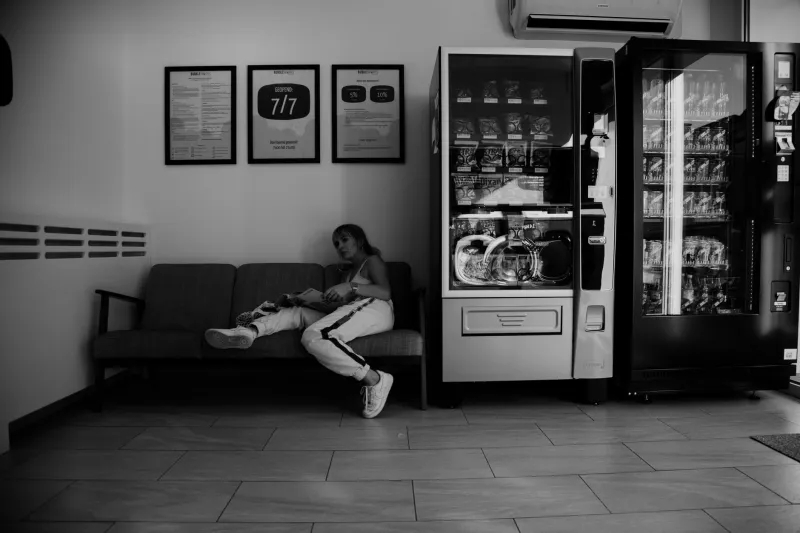
Nobody packs for the emergency. You fold your rain jacket, tuck your sunscreen into a side pocket, and mentally rehearse zip-lining over a rainforest canopy. What you don't rehearse is sitting alone in a clinic in Quepos at 11 p.m., trying to describe your symptoms in broken Spanish while wondering if your travel insurance actually covers this.
But it happens. More often than the travel blogs let on.
For solo female travelers, a health crisis abroad isn't just a logistical headache — it carries an emotional weight that's hard to explain to anyone who hasn't been through it. You're the one making every decision. There's no partner to sit with you in the waiting room, no friend to drive you back to the hostel, no family member to call the insurance company while you rest. It's just you, your body, and a healthcare system you've never had to navigate before.
This guide doesn't sugarcoat that reality. But it also doesn't want to scare you into staying home. It wants to prepare you — practically and emotionally — for one of the most overlooked aspects of solo travel.
Understanding Costa Rica's Dual Healthcare System
Costa Rica actually has one of the most respected healthcare systems in Latin America, which is genuinely good news. The country operates a two-track system: the public Caja Costarricense de Seguro Social (CCSSS, or just "La Caja") and a robust private sector. As a tourist, you'll almost certainly end up using private clinics and hospitals — and in most urban and tourist-heavy areas, they're genuinely excellent.
San José has several internationally accredited hospitals, including Hospital Clínica Bíblica and CIMA Hospital, both of which have English-speaking staff and experience treating foreign patients. Outside the capital, quality varies significantly. Liberia, in the Guanacaste region, has decent private options. In more remote areas — think the Osa Peninsula or the Caribbean coast — your options narrow fast.
Knowing this before you go matters. If you're planning extended time in a remote area, research the nearest private clinic in advance. Don't assume it'll be easy to Google from a hammock when you're running a 103-degree fever.
The Insurance Conversation You're Probably Avoiding
Let's be honest: most of us buy travel insurance, scan the confirmation email, and never think about it again. That is a mistake.
Before your trip, actually read your policy. Specifically, look for:
- Emergency evacuation coverage — This is non-negotiable if you're going off the beaten path. A helicopter evacuation from a remote area can run $15,000 to $50,000.
- Mental health provisions — More on this in a minute, but many policies exclude or severely limit mental health coverage abroad.
- Pre-authorization requirements — Some insurers require you to call them before seeking treatment, or they won't reimburse. Doing that while in pain and panicking is not fun.
- Dental coverage — Interestingly, Costa Rica is a destination for dental tourism, and some travelers end up needing unexpected dental work. Know if you're covered.
Sarah, a 34-year-old from Portland who fractured her wrist on a trail near Monteverde, learned this the hard way. "My insurer required pre-authorization for the X-ray and splinting. I didn't know that. I just went to the nearest clinic. They reimbursed eventually, but it took four months and about fifteen phone calls." She now photographs her insurance card front and back and saves the claims number in her phone under "emergency."
Finding a Doctor You Can Actually Trust
This is where the solo part gets particularly heavy. When you're sick and disoriented, figuring out whether a provider is trustworthy requires energy you don't have.
A few practical anchors:
Your accommodation is your first resource. A well-run hotel, B&B, or hostel will have a doctor or clinic they refer guests to regularly. These relationships aren't random — they're built on repeat experience. Ask specifically: "Is there a doctor you trust who speaks English?"
Expat Facebook groups are underrated. Groups like "Expats in Costa Rica" or region-specific communities ("Expats in Tamarindo," etc.) are full of people who've navigated exactly this situation. Post your question — you'll get real, recent recommendations within the hour.
US Embassy resources exist for this. The US Embassy in San José maintains a list of medical providers for American citizens. It's not an endorsement, but it's a vetted starting point.
For women specifically: if you're dealing with a gynecological issue, a UTI, or anything where having a female provider matters to you, ask for one. Private clinics in tourist areas are generally accommodating of this request. Don't feel like it's an inconvenience — it's your care.
The Mental Health Reality Nobody Talks About
Physical illness is only part of the story. Solo travel, even the kind you planned and wanted, can crack something open emotionally. Add a health scare, a bout of food poisoning that has you stuck in bed for three days, or an injury that derails your entire itinerary — and the psychological weight can be significant.
Anxiety, loneliness, and grief about a trip going sideways are real. So is the particular shame many women feel about struggling while doing something they "chose."
Teletherapy has genuinely changed this equation. Apps like BetterHelp or Talkspace allow you to connect with a licensed therapist from anywhere with WiFi. If you already have a therapist at home, ask them before your trip whether they can do a session while you're abroad — many will. Building in that lifeline before you need it is one of the most underrated forms of trip preparation.
Costa Rica also has a small but growing network of English-speaking mental health professionals, particularly in San José and beach towns with large expat populations. The Association of Residents of Costa Rica (ARCR) can sometimes help connect travelers with resources.
The Push Through vs. Go Home Decision
This is the question that haunts every solo traveler facing a health setback: do I stay or do I go?
There's no universal answer, but there are some honest frameworks.
Go home if: Your condition is worsening despite treatment, you need ongoing specialist care that isn't available locally, you're too unwell to advocate for yourself, or your mental state has deteriorated to a point where being alone feels genuinely unsafe.
It's okay to stay if: Your condition is being managed, you have a stable place to recover, you have people — even new travel friends, hostel staff, or remote support — checking in on you, and you feel capable of making decisions for yourself.
Melanie, a 41-year-old from Chicago who developed a serious infection after a surf injury in Santa Teresa, stayed. "The clinic was good. The staff checked on me. My hostel let me stay in my room with the fan on and brought me food. Going home would have cost me $800 I didn't have, and honestly, I would have been just as alone in my Chicago apartment." She recovered fully in eight days.
There's no bravery award for staying when you should go, and no shame in leaving when your body tells you it's time.
Before You Board: The Prep List That Actually Matters
Some things worth doing before your trip that most packing lists skip:
- Save your travel insurance number, policy number, and claims email in your phone and in a cloud document.
- Write down the generic names (not brand names) of any prescription medications you take. Pharmacies in Costa Rica may not recognize US brand names.
- Pack a small medical kit: rehydration salts, antidiarrheal medication, basic wound care, pain reliever, antihistamine.
- Know your blood type. Write it down.
- Tell at least one person at home your rough itinerary, where you're staying, and how to reach you.
- Research the nearest private clinic to your first destination before you arrive.
Your health abroad deserves the same preparation you gave your packing list. Maybe more.