Behind the Smile: The Hidden Burnout Carried by Costa Rica's Female Adventure Guides
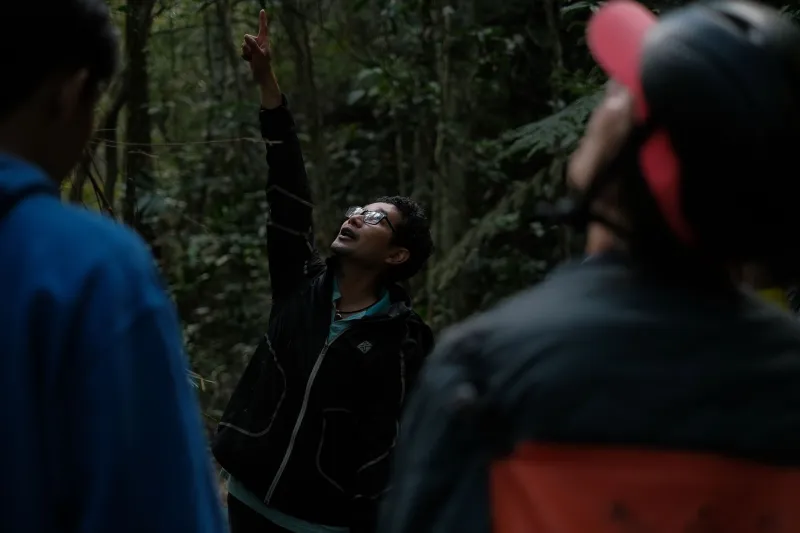
She's the one who spotted the poison dart frog you almost stepped on. She translated the jungle sounds into stories that made your whole group fall silent. She handed you a granola bar mid-hike without being asked, because she'd already noticed you were running low on energy before you noticed it yourself.
She is Costa Rica's female adventure guide — and she is tired in ways that don't show up in your five-star review.
This isn't an indictment of adventure tourism. Costa Rica's outdoor industry is genuinely extraordinary, and the women working inside it are some of the most skilled, passionate professionals you'll encounter anywhere on the planet. But passion has a way of being exploited. And in a country where tourism is the economic engine and "pura vida" is both a lifestyle and an expectation, the women facilitating your peak experiences are often absorbing costs — physical, emotional, financial — that never make it onto your itinerary.
What a "Good Day" Actually Looks Like
María, a white-water rafting guide based in the Turrialba region who asked us not to use her full name, starts her workday at 5:30 a.m. She preps equipment, reviews safety protocols, manages client intake forms, and coaches nervous first-timers through their anxiety — all before the first paddle hits the water.
"People think the guide's job is the river," she told us over coffee after a full day on the water. "The river is maybe forty percent. The rest is managing emotions. Yours, theirs, everyone's."
That emotional management — what psychologists call emotional labor — is invisible by design. When it's done well, guests don't notice it. They just feel calm, safe, and cared for. They feel like everything went smoothly because Costa Rica is magical. They don't feel the work.
Female guides describe a specific double layer to this labor. Beyond the standard job demands, many report navigating assumptions from male colleagues, dismissal from male clients who initially direct questions to their male co-guides, and a pressure to be warmer, more patient, and more accommodating than their male counterparts — or risk being labeled difficult.
"If I'm direct about safety rules, some guests push back in a way they wouldn't with a male guide," said Daniela, who leads hiking tours in the Osa Peninsula. "So I've learned to wrap everything in warmth. But that takes energy. Constant energy."
The Wage Gap Doesn't Stop at the Trailhead
The gender pay gap in Costa Rica's tourism sector mirrors — and in some areas exceeds — global patterns. Female guides frequently report lower base pay than male colleagues with equivalent certifications, fewer opportunities for the high-tip private tours, and limited pathways to senior or ownership roles.
Tipping culture in Costa Rica is real but inconsistent. American travelers, accustomed to tipping service workers, often tip guides generously — but that income is unpredictable, not guaranteed, and doesn't substitute for fair base wages or benefits. Several guides we spoke with noted that they lack health insurance through their employers and absorb the cost of their own certifications and equipment maintenance.
For women supporting families, these gaps aren't abstract — they're the difference between financial stability and month-to-month anxiety running parallel to the smiling, energetic presence their job requires.
Burnout in a Place Where Burnout Isn't Supposed to Exist
Here's the particular cruelty of tourism burnout in a place marketed as paradise: there's almost no cultural permission for it. Costa Rica's national identity is intertwined with joy, ease, and generosity. "Pura vida" is both a greeting and a worldview. For women whose livelihoods depend on embodying that ethos for strangers every single day, admitting to exhaustion can feel like professional failure.
"I love this work," Daniela said. "But some seasons, I'm delivering the same enthusiasm to my fifteenth group of the week and I genuinely don't know where it's coming from anymore. You just keep going."
Seasonal intensity compounds the problem. High season in Costa Rica is relentless — back-to-back tours, minimal days off, and the psychological weight of being responsible for strangers' physical safety in genuinely demanding environments. Low season brings relief but also financial stress. Neither season is particularly restful.
What Responsible Travelers Can Actually Do
This isn't a piece designed to make you feel guilty about booking that zip-line tour. It's an invitation to be a more conscious participant in the experience you're paying for.
Ask before you book. When researching tour operators, look for companies that explicitly publish their labor practices — fair wages, benefits, safety policies for staff. Operators who are proud of how they treat employees will tell you. Ones who aren't will give you vague answers.
Tip like you mean it. If your guide was exceptional — and she probably was — tip generously and tip directly. Don't assume the company is distributing gratuities fairly. Cash, handed personally, with a genuine acknowledgment of what she did for your experience, matters.
Treat her expertise as expertise. Your guide has certifications, experience, and knowledge you don't have. Following her instructions, trusting her judgment, and not requiring her to perform extra convincing to be taken seriously makes her job measurably easier.
Leave real reviews. Mention her by name. Detail what she knew, how she led, what she made possible. These reviews influence booking decisions, and booking decisions influence income and job security.
Ask her about her work — not just to make small talk. Show genuine curiosity about her career path, her certifications, her expertise. Many guides entered this field through unconventional paths and have fascinating stories about how they got here. Seeing her as a professional with a trajectory, not just a pleasant backdrop to your adventure, shifts the entire dynamic of the interaction.
The Bigger Picture
Costa Rica has made real strides in women's rights and gender equity — more than many of its regional neighbors. But "better than" isn't the same as "good enough," and the tourism industry, which depends so heavily on the labor and warmth of women, has been slow to ensure that those women share equitably in its profits.
The female guides, lodge managers, and tour operators who make Costa Rica's adventure tourism extraordinary are not accessories to your experience. They are the experience. Treating them that way — in how you book, how you behave, how you tip, and how you talk about them afterward — is one of the most concrete ways a traveler can put her values into practice.
Pura vida isn't just a thing you feel. It's a thing someone creates for you. She deserves to feel it too.