What Nobody Tells You About Being a Woman in Costa Rica — Until You're Already There
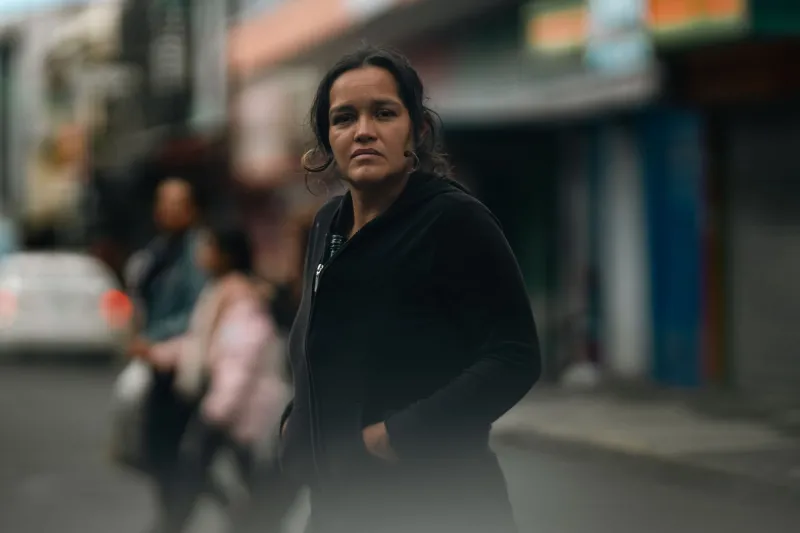
You've done your research. You know which neighborhoods to stay in, which buses to take, and how to say con permiso when you need to squeeze past someone at a soda. But there's a layer of Costa Rican life that doesn't show up in the usual travel roundups — the unspoken codes, the gender dynamics, the social textures that shape how women here interact with each other, with men, and with visitors like you.
Understanding it won't just keep you safer. It'll make your whole trip richer.
Machismo Is Real — and More Nuanced Than You Might Expect
Let's not dance around it: Costa Rica is a country with deep machismo roots. That shows up in ways both obvious and subtle — from the piropos (unsolicited street comments) you might encounter walking through San José, to the quieter assumptions about who leads a household or runs a business.
But here's what often gets left out of that conversation: Costa Rican women have developed an extraordinary social fluency around navigating this reality. They're not passive recipients of it. They've built entire systems of solidarity, humor, and quiet resistance into their everyday lives. When you travel here, you're not stepping into a culture where women are simply defined by the men around them. You're stepping into one where women have learned to hold a lot of power — often in ways that aren't immediately visible to an outside eye.
As a female visitor, you'll likely experience some version of piropo culture, especially in urban areas or at bus stops. The most common local response? Ignore it entirely. Eye contact and engagement — even confrontational — tends to invite more. Walk with purpose, keep moving, and know that you're not doing anything wrong. You're just navigating the same street theater that Tica women manage every single day.
The Warmth Is Real — So Is the Reserve
Costa Rican women are genuinely warm. That's not a tourism-brochure exaggeration. But warmth here doesn't always look like American-style openness. There's a cultural value called educación — and it doesn't just mean education in the academic sense. It refers to a kind of social grace, a way of being polite, composed, and measured in public.
What this means in practice: a woman might smile at you, help you figure out the bus schedule, and chat warmly for ten minutes — and still not be looking for a deeper connection. That's not coldness. That's educación. Reciprocate it. Don't mistake politeness for an invitation to overshare or pepper someone with personal questions. Ease in slowly. Ask about her town before you ask about her life.
In smaller towns and rural communities, this reserve can be even more pronounced — especially toward foreign women who might be perceived as culturally different or potentially judgmental. Give it time. Show up at the same sodita two mornings in a row. Learn the owner's name. That's when the real conversations start.
Family Is the Center of Everything
Costa Rican society is deeply family-oriented, and that shapes how women are perceived and how they perceive themselves. A woman's relationship to her family — her role as a daughter, mother, sister, or tía — is often central to how she introduces herself and how she understands her place in the world.
This isn't something to judge or project American feminist frameworks onto. It's context. When a woman at a market asks if you're traveling alone and then immediately asks ¿y su familia? — where is your family? — she's not being nosy. She's orienting herself to you through the lens that matters most in her world.
If you're a solo traveler, this question will come up constantly. Have a warm, easy answer ready. Something like Mi familia está en los Estados Unidos, pero me encanta explorar sola — my family is in the States, but I love exploring on my own — tends to land well. It acknowledges the value she places on family connection while asserting your independence without making it feel like a cultural critique.
The Women-Owned Economy You Should Be Spending In
One of the most powerful things you can do as a female traveler in Costa Rica is put your money directly into the hands of women. And there's a lot of opportunity to do exactly that.
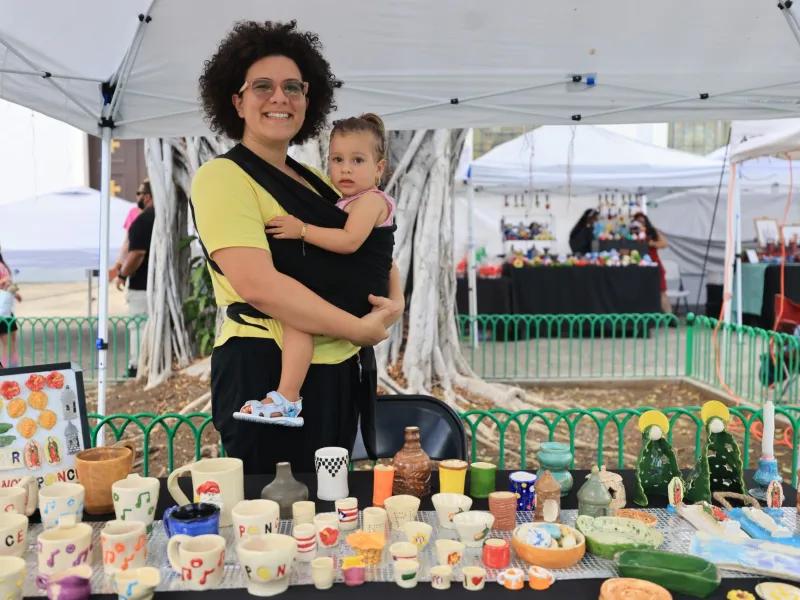
Across the country — from Monteverde to Puerto Viejo to the Nicoya Peninsula — women run cooperatives, lead community tourism projects, cook the best food you'll eat all trip, and guide tours through ecosystems they've spent their lives learning. These aren't token enterprises. They're serious operations built by women who made the deliberate choice to create economic independence on their own terms.
Seek them out actively. Ask your guesthouse if any of the local tour guides are women. Look for cooperatives when you're buying coffee or chocolate. Eat at the soda run by the woman who's been feeding her neighborhood for 30 years. These choices matter beyond the transaction — they signal to local communities that female-led work is worth valuing.
Connecting Authentically Across the Cultural Gap
The most meaningful moments you'll have with Costa Rican women probably won't happen at a scheduled cultural exchange or a guided community visit. They'll happen when you stop rushing.
Sit in the park. Bring your bad Spanish and zero shame about using it. Ask for a recipe. Admire someone's garden. Comment on the weather with genuine feeling — because when it rains in Costa Rica, it really rains, and that's always worth talking about.
Costa Rican women are sharp, funny, resilient, and deeply proud of where they come from. They've watched a lot of tourists pass through and take photos of their country without ever really seeing it. When you show up curious and humble — not as someone who has come to experience poverty tourism or rainforest bucket-list checking, but as someone who genuinely wants to understand — doors open.
Learn a few phrases beyond the basics. Qué tuanis (how cool) will make people laugh and love you immediately. Usted es muy amable — you're very kind — goes a long way. Small efforts at real communication signal respect in a way that transcends language.
A Note on Safety, Solidarity, and Trusting Your Read
Female travelers in Costa Rica are not navigating a uniquely dangerous environment — but they are navigating one that has its own specific risks, just like anywhere else. Trust your instincts. If a situation feels off, it probably is. And know that Costa Rican women are often your best resource in those moments.
Don't hesitate to step into a shop, sit near a family, or make eye contact with another woman if you feel uncomfortable. There's an unspoken solidarity in those small moves that transcends language and nationality. Women here understand what it means to need a soft landing in a public space. They'll usually provide one without you even having to ask.
That's the thing about traveling as a woman in Costa Rica — you're never quite as alone as you might feel in a strange place. The social fabric is there if you know how to look for it. And now, a little more than before, you do.