Seven Stools, Seven Stories: Eating Through Costa Rica's Family-Run Sodas
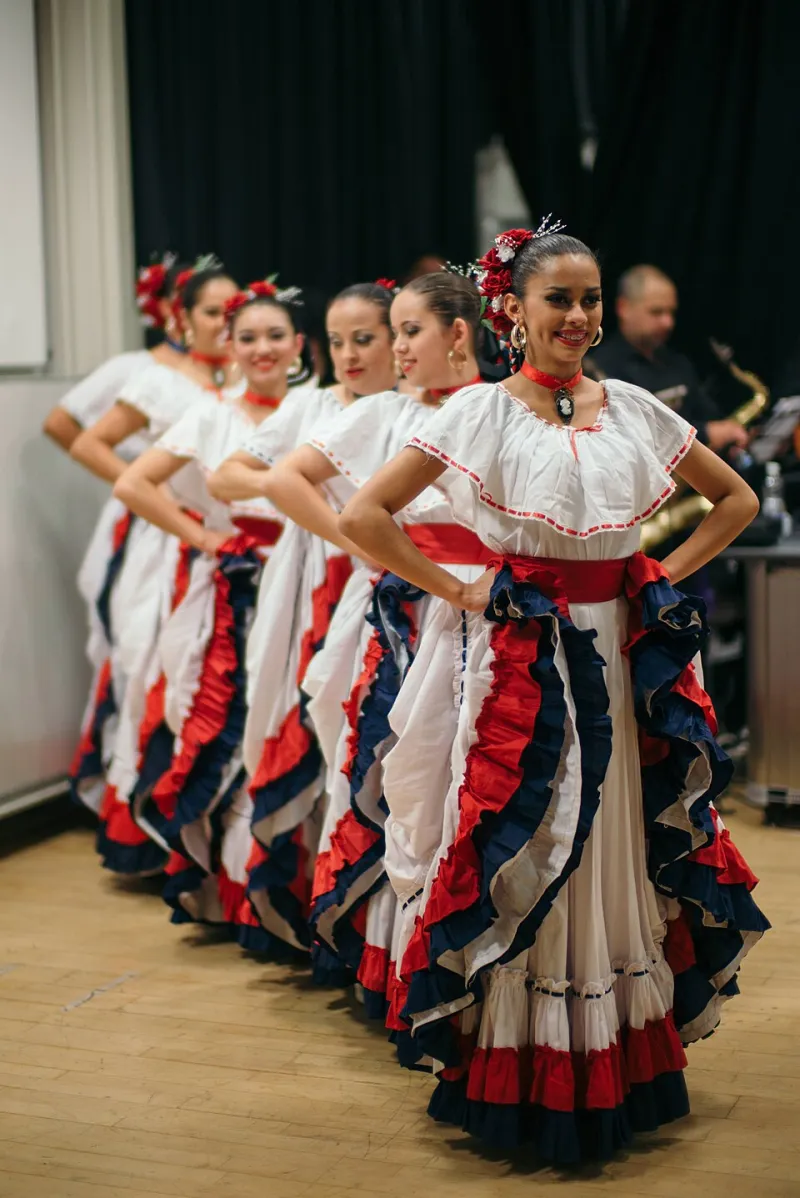
Photo: Simon King, CC BY-SA 4.0, via Wikimedia Commons
The first time someone told me to meet her at a soda, I thought we were getting ice cream floats. Then she walked me into a room with a ceiling fan, four plastic tables, a hand-lettered board listing six items in colones, and a grandmother at the stove who looked up, said buenas, and went back to work.
That's a soda. In most of Latin America the word means something fizzy; in Costa Rica it means the small, family-run eatery where the country actually eats. The name comes from the old roadside soda fountains that sold cold drinks and eventually started putting a plate of rice and beans next to them.
They are the best value in the country, the best cultural education you can buy for six dollars, and — not incidentally — largely run by women.
What Makes It a Soda and Not a Restaurant
No host stand. No reservation. A fan, a paper towel roll, a bottle of Lizano sauce with a clogged cap, and a menu short enough that everything on it is fresh because they made it this morning. Lunch means a casado: the day's protein plus rice, beans, fried plantain, salad and a picadillo of whatever was cheap at the market. Somewhere between ₡2,500 and ₡5,500 — call it three to nine bucks.
How to Tell a Great One From a Boring One
Go at 11:30 and look at who's sitting down. If it's nurses, taxi drivers and a man in a construction vest, order anything. If the daily board is already crossed out and rewritten by 12:45, you've found it. If you can hear the cook talking to the vegetables, better still.
Raise your eyebrows at a laminated photo menu in three languages with dollar prices. That's not a crime, but the food is aimed at you, not the neighborhood, and you'll pay twice as much for half the story.
What to Order Without Reading the Whole Menu
Breakfast is the best deal in the country — gallo pinto with eggs, tortillas and coffee, usually under five dollars. Casado at lunch, always. Olla de carne on a weekend, a beef-and-vegetable soup that is basically a grandmother's hug. Chifrijo if you're in San José and it's late afternoon — pork, beans, pico de gallo and chips. Vigorón in Puntarenas: chicharrón and yuca on a banana leaf. On the Caribbean side, rice and beans with coconut, patí, and a bottle of homemade hot sauce you should say yes to. To drink, ask what the fresco of the day is — cas, horchata, tamarind, whatever's in season. Then tres leches, because you're on vacation.
Money, Manners and the Unwritten Rules
Service is already on the bill: ten percent by law, plus thirteen percent tax, so you're not leaving fifteen percent on top of that. Extra cash for genuinely warm service is lovely and never expected.
Say buenas on the way in. Say con mucho gusto on the way out. Ask before you photograph the cook — she is not scenery. Don't camp at a four-top through the noon rush with one coffee. Carry small bills, because card machines are hit and miss, and SINPE Móvil — the local phone payment system — isn't an option for a visitor without a Costa Rican bank account.
And here's the thing I'd ask you to hold onto: this is not a charity tour. You are paying full price for excellent food made by a woman who has been running her own kitchen, staff and cash flow for twenty years. The exchange is the point. Buy the lunch, ask her name, come back next year.
The Circuit: Seven Sodas, Seven Towns
Fair warning: family sodas are small, seasonal and mortal. If one is shuttered the day you arrive, the next block will feed you just as well — that's the whole beauty of the system. Split this into two trips, or one very ambitious road trip.
1. Soda Tapia — San José. The grande dame, feeding the capital since 1896, and the rare soda with a second floor. Order the gallo pinto breakfast and watch the city wake up. It's what the office workers around you are doing.
2. Soda Íris — San José, near the Mercado Central. Two minutes from the fruit stalls, fluorescent-lit and completely unbothered by your presence. Get the casado of the day and a fresh fruit juice. Arrive at 11:30 sharp.
3. Soda Doña Eli — Sarchí. Oxcart country, west of the capital. Breakfast here before the craft workshops open: a thick cheese tortilla, sour cream, and coffee grown on the hillside you're looking at.
4. Soda La Parada — La Fortuna. The reward after a morning at the waterfall or an evening in the hot springs. Casado with grilled chicken, a batido, and no pretense whatsoever.
5. Soda Las Palmeras — Montezuma. Sand floor, ceiling fan, three blocks from the surf. Fish casado, fresco de cas, and a conversation with whoever's at the next table, because there are only five tables.
6. Soda La Perlita — Uvita. South Pacific, where the tuna and mahi come off the boats that morning. Ask what came in. Ceviche with patacones, or the whole fried fish if it's on the board.
7. Soda Doña Flor — Cahuita. Caribbean side, and a completely different cuisine: coconut rice and beans, patí, plantain in everything, and a hot sauce that will recalibrate your standards. Order the fresh juice; it's often squeezed to order.
The route: San José → Sarchí → La Fortuna is a tidy four-day valley-and-volcano loop. Montezuma → Uvita → Cahuita is a coast-to-coast adventure that deserves its own week and a rental car.
The Real Reason to Go
A cooking class will teach you to make gallo pinto in an air-conditioned kitchen and hand you an apron. A soda will teach you that the woman at the stove has been getting up at 4:30 a.m. for thirty years, that the teenager bussing tables is her niece, that the lunch crowd is half the town, and that there is a whole economy and social fabric running in a room most tourists walk right past.
Pull up a stool. Order the casado. That's the class.