Rain Check: Why Green Season Is the Smartest Time for a Solo Woman to Travel Costa Rica
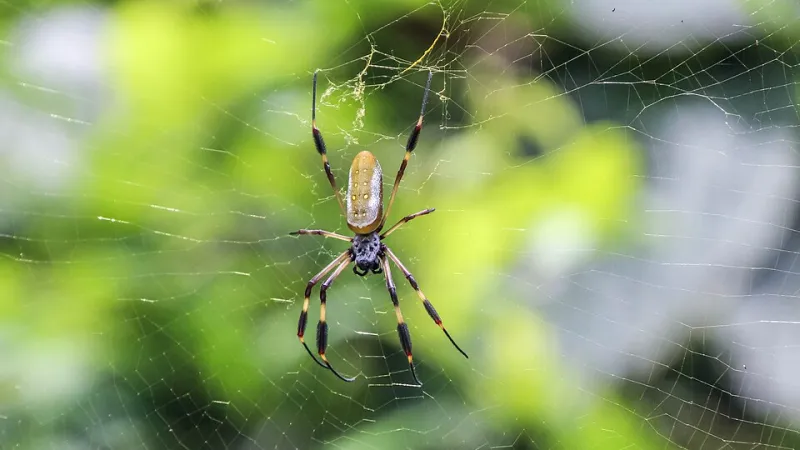
Photo: Dr. Thomas Liptak, CC BY-SA 4.0, via Wikimedia Commons
Every December the same group chat lights up. Someone found a fare to Liberia, someone else is hunting a beach town where a solo woman can walk home at 9 p.m. without a second thought, and everybody is aiming at the same four months. January through April. The dry season. The postcard.
I made that trip too, once. Then I moved here, and I learned the thing the postcard leaves out: the green season is the one where Costa Rica stops performing for visitors and just lives.
Green Season Is Not a Euphemism for Ruined
Let's define terms. Green season is what the tourism board calls the rainy season — May through November — and yes, it rains. But Costa Rican rain is rarely the gray, three-day, soul-flattening drizzle of a Seattle February. It's theatrical. Sun until lunch. Clouds stack over the ridge around 1 or 2 p.m. Then twenty minutes to two hours of proper tropical downpour, the kind that turns a driveway into a stream. Then it stops. Steam rises off the asphalt, the toucans get loud again, and everything smells like wet earth and cut grass. Locals call these Tarzan days: swim in the morning, rain in the afternoon, sun again before dinner.
Now consider what that rain is doing to everything you came to see. Waterfalls at full volume instead of a polite trickle. Rivers you can hear from the trailhead. Cloud forest actually doing its cloud-forest thing. Every hillside neon green.
The Math Nobody Puts in the Brochure
Peak-season pricing here is not subtle. Lodging in Samara, Monteverde or Puerto Viejo routinely drops 30 to 50 percent between May and November, and the shoulder weeks on either side — late April into May, November into early December — are the sweet spot where you get green-season prices with mostly green-season weather.
Group tours shrink from eighteen people to four. Guides have time for questions. There's no line at the rope swing. You can walk into a soda at noon and get the last table instead of hovering behind a family of six.
And the wildlife calendar tilts your way. Sea turtle nesting and hatching overlap the green season on both coasts — green turtles at Tortuguero on the Caribbean, olive ridleys staging their mass arribadas at Ostional on the Pacific, where the rain is part of the whole production. Humpbacks arrive in two separate populations, one peaking mid-summer and one in the fall. Whales do not check the dry-season calendar.
First, Learn Which Coast You're On
This trips up even experienced travelers: Costa Rica's two coasts do not share a forecast.
Pacific side (Guanacaste, Nicoya Peninsula, Central Pacific, Osa): wettest in September and October, driest December through April. There's a lovely tease in mid-July called the veranillo de San Juan, a two-week dry spell locals plan harvests and beach days around.
Caribbean side (Cahuita, Puerto Viejo, Tortuguero, Barra del Colorado): a completely inverted rhythm. September and October are often its sunniest weeks — the exact months the Pacific is getting hosed. Its heaviest rain lands in November, December and into January.
That single fact is the most useful itinerary tool you own. In September, go Caribbean. In July, take the Pacific veranillo. Cross-check, don't guess.
Region by Region
Guanacaste and Nicoya — the driest corner of the country, so green season here is more occasional inconvenience than theme. Afternoon showers, big sun, half-price beaches. Roads out to Nosara and Montezuma get genuinely rough in the wet; a 4x4 isn't vanity, it's math.
Central Valley and the coffee highlands — San José, Grecia, Sarchí, the Poás area. Afternoon rain most days, and a layer for the evenings: at 4,000 feet it's cool and damp after dark. Coffee tours in the morning are glorious in the wet, mist rolling through the rows.
Arenal and the north — La Fortuna, Río Celeste, Tenorio. You may not see the volcano. True in the dry season too, honestly. What you get is rainforest at maximum drama and hot springs that feel even better in the rain.
Central and South Pacific — Manuel Antonio, Uvita, the Osa. September and October are the wettest months and also the emptiest. Corcovado in the wet is not a beginner's hike: hire a local guide, keep plans loose, respect river crossings.
Caribbean coast — Cahuita, Puerto Viejo, Tortuguero. September and October shine. Bring repellent and a tolerance for humidity, and don't expect sun-drenched postcards.
Pack for Wet, Not for Cold
Two pairs of shoes that dry fast — not one. A dry bag for phone and passport. A light rain shell if you'll be on trails; an umbrella if you'll be in town. Quick-dry everything, no denim. Anti-chafe balm, which no packing list mentions and every woman who has hiked a humid trail needs. Zinc sunscreen. A small quick-dry towel. Silica packets in the camera bag, because mold is real.
The Safety Notes That Actually Matter
Green-season hazards are logistical, not human. Rivers rise fast — never drive or wade through water moving across a road. Landslides and fallen trees close mountain routes; ask at your lodging before you drive and check local municipal pages. Storms mean lightning, so don't be the tallest thing on a ridge at 2 p.m. Rip currents worsen in the rainy months; obey the red flags. Sunset lands around 5:30 year-round, so plan drives for daylight and stay off unfamiliar gravel roads after dark.
None of that is a reason to skip it. All of it is a reason to travel the way locals do: mornings for adventure, afternoons for hammocks, no rigid schedules.
Build a Trip That Rolls With the Weather
Anchor one activity per day, in the morning. Leave the afternoon blank and let the rain be a gift — a spa hour, a café with a book, a nap that costs nothing and gives everything. Book direct with small operators who can slide a tour by a day, and say out loud when you book: I'm flexible, what's plan B? Ask a woman running the tour company. She'll tell you honestly.
Pack a sarong. Learn to say gracias a la lluvia. Stop treating the green season as the consolation prize — it's the version of this country that actually has time for you.