The Check Can Wait: How Costa Rica's 'Sobremesa' Opens Doors for Solo Travelers
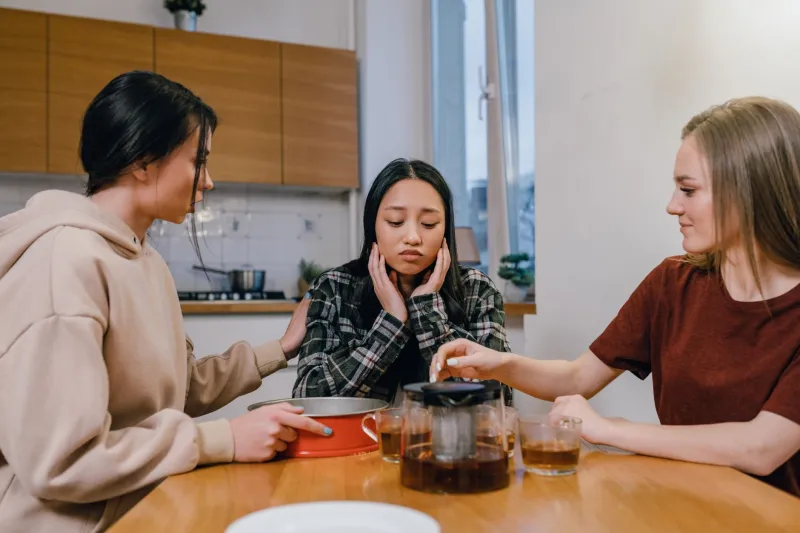
The first time I experienced sobremesa, I thought I had done something wrong. I was at a family-run soda in Orosi, halfway through a plate of casado, when the owner—a woman named Doña Elena—pulled up a chair and asked me where I was from. I answered. She asked another question. Then another. Twenty minutes later, my empty plate had been cleared, a cup of coffee had appeared, and I was still there, talking about my grandmother's garden while her daughter peeled oranges behind the counter.
In the United States, this is the point where you ask for the check. In Costa Rica, this is the point where the meal actually begins.
What Sobremesa Actually Means
Sobremesa translates roughly to 'over the table.' It's the time after eating when you stay put—not because you ordered dessert, but because the conversation hasn't finished. It's coffee, it's gossip, it's a second round of tortillas, it's someone's cousin stopping by. It is not a performance of leisure. It's a social rhythm that says the table is for people, not for plates.
You'll see it everywhere: in sodas, in family kitchens, in the shade of a pulpería, on a bench outside a church. Ticas are often the ones holding the table together—refilling cups, asking the question that gets someone talking, refusing to let the silence get awkward.
Why Ticas Stay
I once asked a friend in Atenas why she doesn't just get up when she's done eating. She looked at me like I'd asked why she doesn't leave her house through the window. 'Because someone might still need something,' she said. 'Or because someone might still need to say something.'
That's the heart of it. Sobremesa is not idle time. It's maintenance. It's how you find out who's sick, who's pregnant, who's hiring, who's heartbroken. It's how community gets updated. For a solo traveler, that's gold. You are not interrupting a private ritual; you are being folded into a public one.
The Solo Traveler's Superpower
When you travel alone, you spend a lot of time trying not to take up space. You eat quickly. You pay quickly. You leave. Sobremesa is the opposite instruction: stay, ask, listen, let yourself be served a second cup of coffee you didn't ask for.
The first few times, it feels excruciating. Your brain says you're overstaying. Your cultural training says the polite move is to free up the table. But in most small Costa Rican establishments, the table is not a revenue unit. It's a room. And you've been invited to sit in it.
The Awkward Part (and How to Get Through It)
Here's the honest version: embracing sobremesa as a foreigner can feel like standing in a doorway while everyone else knows the choreography. You may not understand the jokes. You may run out of Spanish. You may worry you're keeping someone from their work.
A few gentle moves help:
- Don't reach for the check the second you finish. Wait five minutes. Then five more.
- Ask one open question. '¿Cómo es la vida aquí en temporada baja?' works wonders. So does '¿Usted cocina esto todos los días?'
- Accept the coffee. Even if you don't drink coffee. A small cup is a social contract.
- Offer to help. Clear your plate. Ask if you can carry something. Most of the time they'll say no, but the offer matters.
- Watch the clock, not the vibe. If the place is closing, read the room. Sobremesa is not an excuse to ignore a tired server.
Where to Practice
You don't need a formal tour to find sobremesa. Look for family-run sodas, market stalls with a few stools, small cafés with no Wi-Fi password posted, and cooking classes where the instructor's mother is hovering nearby. In beach towns, the best version often happens after the lunch rush, when the staff sits down to eat their own meal.
Solo female travelers sometimes get a particularly warm version of this. Ticas will often check in on you, ask if you're eating alone, and then decide you're not. That's not pity. It's hospitality with a side of curiosity.
A Small Experiment
Try this on your next trip: pick one meal a day and deliberately stay ten minutes longer than feels comfortable. No phone. No check. Just sit. See what happens. Sometimes nothing happens—and that's fine. Sometimes a grandmother tells you about her first job. Sometimes the cook brings out a fruit you've never seen. Sometimes you just watch the light change and realize you've been rushing through a country that was never in a hurry.
The Takeaway
Sobremesa is not a cute local quirk. It's a way of making room. For solo travelers, it's a low-stakes doorway into connection—no tour guide, no forced friendship, no performance. Just a table, a cup, and the radical idea that the meal isn't over until the people are.