Put Your Money Where Your Values Are: A Real Guide to Supporting Costa Rican Women
Let's be honest about something: a lot of what gets marketed to conscious travelers as "supporting local communities" is actually supporting the infrastructure that profits from local communities. The all-inclusive eco-resort that puts a Tica in a branded polo shirt and calls it empowerment. The volunteer program that charges you $2,000 to teach English for a week. The souvenir shop at the airport that says "handmade in Costa Rica" on a tag but doesn't tell you who made it or what they were paid.
None of this is your fault — the system is designed to make ethical consumption feel simple when it isn't. But if you're a woman traveling to Costa Rica who actually cares about where her dollars land, you deserve a more honest roadmap.
Here's what meaningful support actually looks like.
Start With Who Gets Paid
The most direct way to support Costa Rican women economically is to pay them directly for their labor and expertise. This sounds obvious, but it requires some intentionality in how you book and spend.
Book women-owned accommodations. When you're researching guesthouses, boutique hotels, or homestays, look for female ownership — not just female staff. Sites like Airbnb and Booking.com don't always make this easy to identify, but asking directly ("Is this property owned by a woman?") before booking is entirely reasonable. Many women-owned properties are also happy to tell you about it — it's something they're proud of.
Hire women guides. Female-led tour operators exist across Costa Rica, from wildlife guides in Tortuguero to surf instructors in Tamarindo to cultural walking tour leaders in San José's Barrio Amón. Seek them out specifically. Organizations like Costa Rica Women in Tourism (CRTM) maintain directories of women working in the industry.
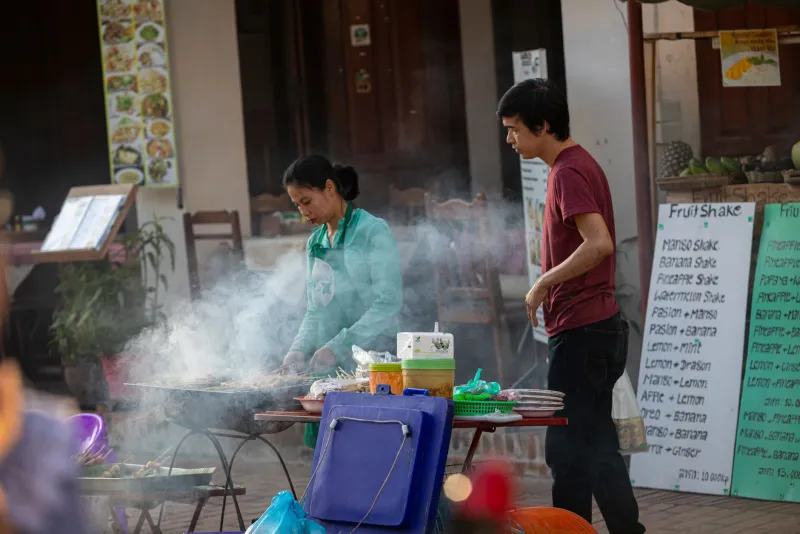
Eat at women-run sodas. The small family restaurants that serve rice, beans, and whatever's fresh that day are often run by women who are also the head cook, the owner, and the bookkeeper. Your lunch there does more for local economic independence than a meal at a resort restaurant.
Go Beyond Fair Trade — Understand the Supply Chain
Fair trade certification is a baseline, not a gold standard. When you're buying crafts, textiles, food products, or wellness items made by Costa Rican women, ask a few more questions:
- Is the maker part of a cooperative, or is she working alone? (Cooperatives often provide better pricing, shared resources, and community support.)
- Does the shop selling this have a direct relationship with the maker, or is it a middleman?
- Can you buy directly from the artisan?
In many cases, you can. The ferias (farmers and craft markets) that run on weekends in most towns are the best places to buy directly from the women who made what you're purchasing. You'll pay a fair price, the full amount goes to her, and you'll probably get a better story along with it.
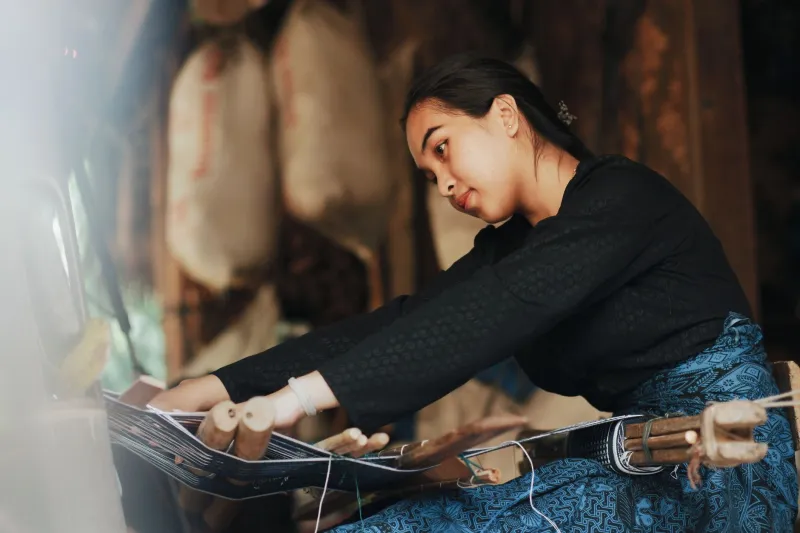
Some cooperatives worth knowing about: CASEM in Monteverde (a women's artisan cooperative that's been operating since 1982), the Boruca women's weaving collective in the south Pacific region, and COOPESANTOS, a coffee cooperative in the Los Santos region where women play central leadership roles.
Rethink Voluntourism — Seriously
This is where a lot of well-meaning travelers get it wrong. The impulse to volunteer is genuine and good. The execution often isn't.
Short-term volunteer programs — especially those involving children, construction, or teaching — frequently do more to serve the emotional needs of the volunteer than the actual needs of the community. They can displace local workers, create dependency, and in some cases cause real harm.
If you want to contribute meaningfully during your trip, here are more effective options:
Donate to organizations run by Costa Rican women, not just operating in Costa Rica. There's a significant difference. Look for groups where the leadership and decision-making are local, not imported.
Use your professional skills through structured channels. If you're a lawyer, accountant, doctor, or have another specialized skill, organizations like Mujeres Emprendedoras (various regional chapters) sometimes facilitate skill-sharing with local women entrepreneurs. This takes coordination — reach out before you travel, not when you arrive.
Support longer-term initiatives financially. A one-time donation to a women's micro-lending program or a girls' education fund does more sustained good than a week of painting a community center.
Participate in Community Tourism With Intention
Community-based tourism done right is one of the most genuinely reciprocal ways to travel. These programs — where travelers stay with local families, participate in daily life, and pay rates that go directly to the community — exist throughout Costa Rica and are often anchored by women.
ACTUAR (Asociación Costarricense de Turismo Rural Comunitario) is the most established network for this kind of experience. Their member communities set the terms of engagement, which means you're a guest on their terms — not a consumer customizing a product.
This matters because the power dynamic in tourism is almost always tilted toward the traveler. Community-based tourism programs that are genuinely community-controlled flip that, at least partially. The women running these experiences have decided what they want to share and what they don't. Respecting that boundary is part of the deal.
The Mentorship Question
Some American women traveling to Costa Rica wonder whether there's a role for mentorship — sharing business knowledge, professional networks, or skills with local women entrepreneurs.
The honest answer: sometimes yes, but only if you're invited and only if you lead with listening.
The assumption that American women have expertise Costa Rican women need is one to examine carefully. Many Tica entrepreneurs have built resilient, creative businesses under constraints that would stop most US-trained businesspeople cold. They know things you don't.
If a connection develops organically — if a woman you've met expresses genuine interest in what you do professionally and asks for your perspective — offer it thoughtfully. But don't arrive with a mentorship agenda. Arrive with curiosity.
The Bigger Picture
Supporting Costa Rican women isn't a checklist you complete and then feel good about. It's a practice of paying attention — to who's in the room, who's getting paid, whose expertise is valued, and whose story is being told.
You don't have to get it perfect. But you do have to keep asking the questions. That's what separates a traveler who means well from one who actually does something with it.