Follow the Money: Who Really Gets Paid When You Book That Eco-Lodge or Wellness Retreat in Costa Rica

Photo: U.S. Navy photo by Mass Communication Specialist 2nd Class Bryan Weyers, Public domain, via Wikimedia Commons
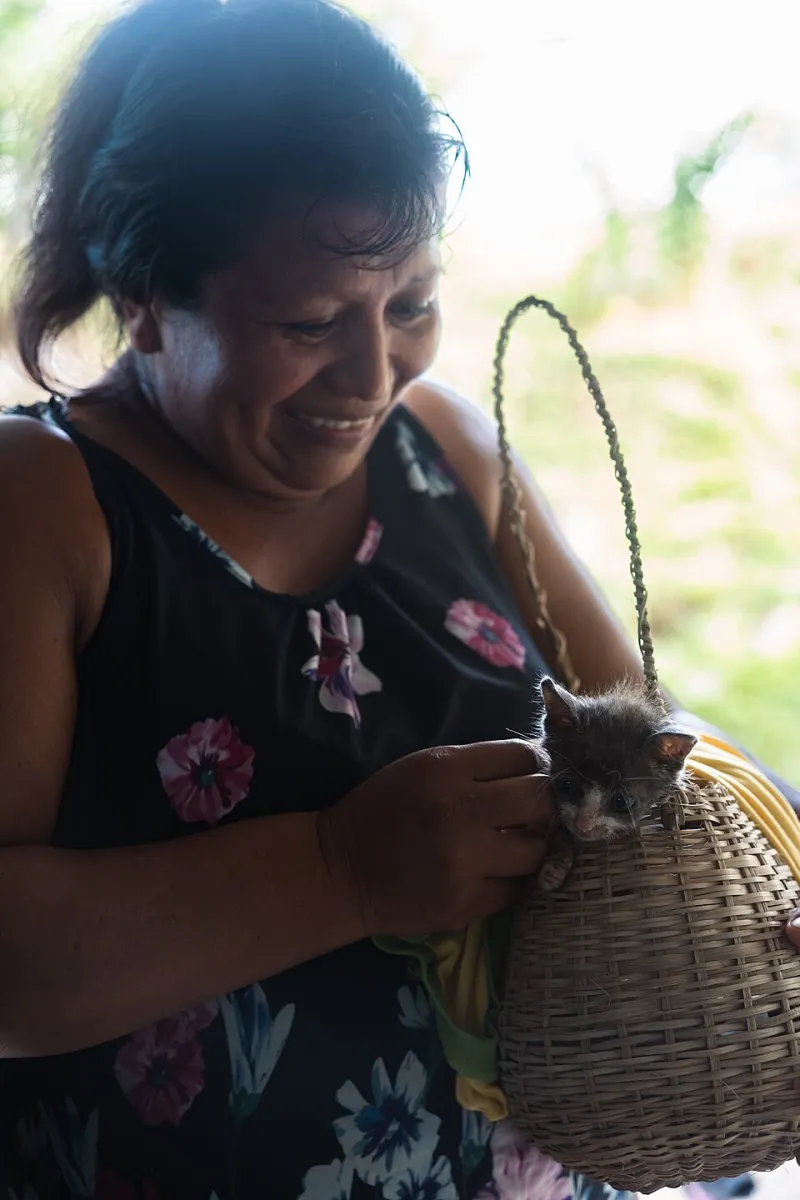
The brochure shows a woman in traditional dress, smiling, surrounded by lush green jungle. The copy talks about community partnerships and authentic cultural exchange. The price tag is $280 per night.
So where does that money go?
If you've ever sat in a beautiful eco-lodge in Costa Rica and wondered whether the people serving your breakfast and washing your sheets are actually benefiting from your presence — or just enabling someone else's profit — you're asking exactly the right question. And you deserve a real answer.
The Gap Between the Label and the Reality
Costa Rica has built an international reputation as a model for sustainable, responsible tourism. That reputation is partially earned. The country's national park system is world-class, its biodiversity protections are genuine, and there is a real culture of environmental stewardship that runs through many communities here.
But "eco-friendly" and "community-benefiting" are not synonyms, and the tourism industry — like most industries — is very good at using the language of the second to sell the experience of the first.
The women who clean the rooms, prepare the food, lead the nature walks, wash the linens, and maintain the gardens at Costa Rica's most celebrated retreats are disproportionately local, often rural, and frequently earning wages that would make most American travelers uncomfortable if they knew.
Cristina, who has worked in hospitality in the Central Pacific region for eleven years, put it directly: "The guests pay a lot. We see some of it. The owners — many of them are not from here — they see most of it. That's just how it works. Unless the guests start asking questions."
How Tourism Money Actually Moves
Understanding where your money goes requires understanding the basic structure of Costa Rica's tourism economy.
International booking platforms (Expedia, Booking.com, Airbnb) take a commission — typically 15–25% — off the top before the property ever sees your payment. That's before a single bed is made.
Foreign-owned properties — and there are many, particularly in high-demand beach towns — often repatriate a significant portion of their profits. The money leaves the country entirely.
Locally owned operations, by contrast, tend to recirculate earnings within the community: buying produce from local farmers, hiring from the surrounding area, investing in local infrastructure. The economic multiplier effect is genuinely different.
Tour operators and activity providers vary enormously. A multinational adventure company operating zip-line tours employs local guides but captures most of the margin at the corporate level. A guide who runs her own small operation and books directly keeps the full amount — and often provides a better experience to boot.
None of this means foreign-owned businesses are automatically exploitative or that local ownership guarantees fair wages. But it does mean that where you book and how you book has real downstream consequences for the women working in this industry.
What the Women Behind the Scenes Actually Experience
Lorena has been leading birdwatching tours near Arenal for six years. She built her business from scratch after working for a larger operator and watching the economics up close. "I was doing all the work. The guests loved me. But I was making a small salary and the company was charging three times what I now charge on my own. I finally said — why am I doing this for them?"
She now books entirely through word of mouth and a simple website, makes significantly more per tour, and has started training two younger women from her community to guide as well.
Her story is not unique. Across Costa Rica, a quiet but growing cohort of Tica women are cutting out the middlemen and building direct relationships with travelers — a shift that's good for everyone except the platforms collecting commissions on their labor.
But for every Lorena, there are dozens of women still working inside systems that extract more than they return. Hotel housekeepers earning minimum wage — around $600/month as of recent years — at properties charging $300/night. Kitchen workers at wellness retreats without health coverage, despite the retreat's marketing language about holistic wellbeing.
How to Vet an Operator Before You Book
You don't need to become an investigative journalist to travel more responsibly. You need to ask better questions.
Ask who owns the business. This is not rude. It's basic due diligence. Is the owner a Costa Rican national? A family from the local community? Or an international investor who lives elsewhere? Many operators will tell you proudly — and if they dodge the question, that's information too.
Ask what percentage of staff are local hires. Responsible operators know this number. It's a sign of intentionality.
Ask whether guides and workers are employees or contractors. Contractor arrangements often mean no benefits, no job security, and no protection. Employees have more rights under Costa Rican labor law.
Look for certification — but look deeper. The CST (Certificación para la Sostenibilidad Turística) is a legitimate Costa Rican government program that rates tourism businesses on environmental and social practices. A four- or five-leaf rating includes evaluation of how the business treats its workers and engages with local communities. It's not perfect, but it's a meaningful data point.
Book directly when you can. Every time you book through a large platform, a cut leaves the country before the business even opens your reservation. Email the property directly. Message the guide on Instagram. The money that stays in the transaction stays in the community.
Where to Actually Put Your Money
A few categories of tourism experience are structurally more likely to benefit local women directly:
- Women-led tour companies and guide services — increasingly easy to find, especially in adventure tourism and cultural experiences
- Cooperatives and community-based tourism projects — often found in indigenous territories and rural communities, these distribute earnings collectively
- Small sodas and family-run guesthouses — the most direct economic transfer possible; the woman cooking your breakfast is also the one who benefits from your meal
- Artisan markets with direct vendor sales — no gallery markup, no commission; the maker gets the price
- Wellness practitioners operating independently — the yoga teacher who rents her own space keeps far more of your class fee than one employed by a resort
The Question That Changes Everything
You don't have to overhaul your entire trip to travel with more intention. But there's one question worth asking yourself before every significant purchase in Costa Rica:
Who is this money actually going to?
Not in a guilt-spiral way. In a curious, engaged, I-actually-want-to-know way. Because the more travelers ask that question out loud — to operators, to hotel front desks, to tour companies — the more the industry has to answer it.
The women behind the scenes are already doing the work. The least we can do is make sure our money finds them.